Blog

  • Speed, Agility, and Coordination: Essential Skills for Youth Sports Training

    Speed, Agility, and Coordination: Essential Skills for Youth Sports Training

    When it comes to developing young athletes, three fundamental pillars often define success across all sports — speed, agility, and coordination. Whether it’s a football player sprinting down the field, a basketball guard changing direction on defense, or a tennis player reacting to a serve, these abilities form the foundation of athletic performance. For youth athletes, training these skills early and correctly not only enhances performance but also promotes injury prevention, confidence, and lifelong physical literacy.
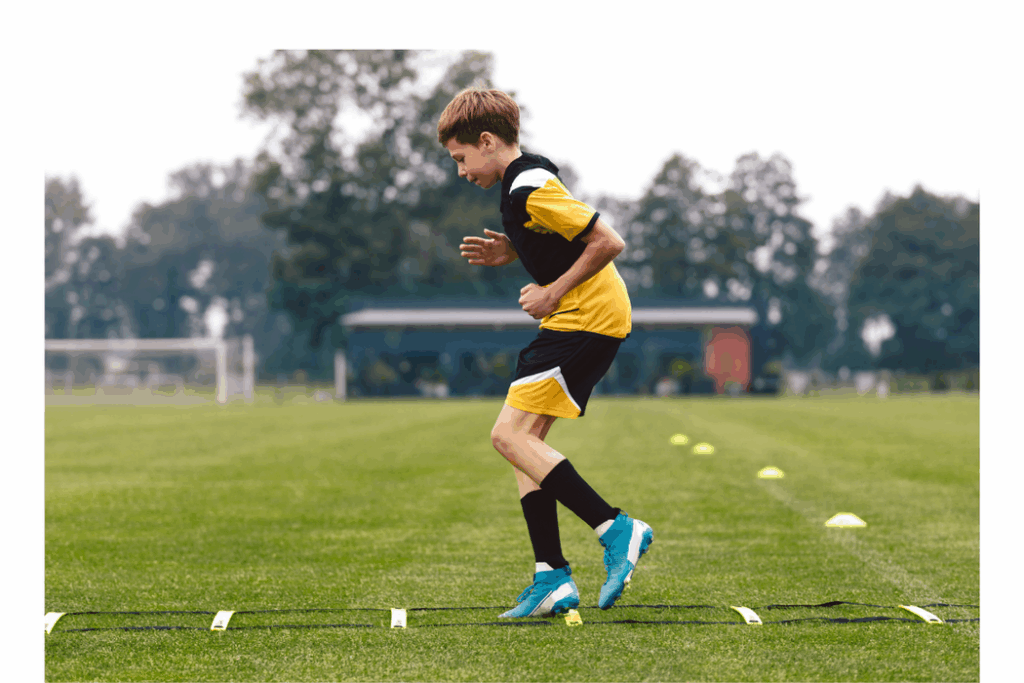
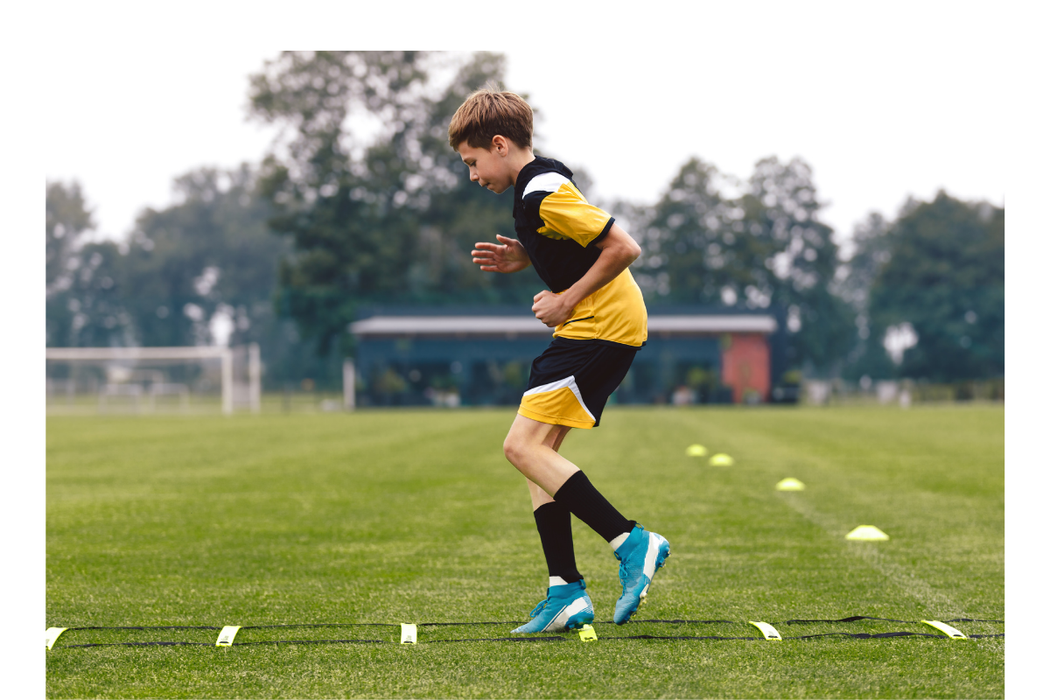
    Developing speed, agility, and coordination builds the foundation for athletic excellence in every young player

    Understanding the Three Pillars

    Speed, at its core, is the ability to move quickly from one point to another. For youth athletes, this doesn’t just mean sprinting faster — it’s about improving acceleration, reaction time, and stride efficiency. Speed training helps children learn how to apply force effectively, control their body mechanics, and develop explosive power safely.

    Agility is the ability to change direction rapidly and efficiently while maintaining control. It requires a blend of balance, coordination, and cognitive reaction — all vital for real-game performance. In sports, agility determines how quickly a player can transition from offense to defense or dodge an opponent’s challenge.

    Coordination refers to the seamless synchronization of movement patterns. It’s the glue that connects speed and agility. For younger athletes, coordination is critical in developing motor skills — catching, throwing, kicking, or maintaining balance. A coordinated athlete can execute complex skills with precision and fluidity.

    Together, these three elements form a performance triangle that every youth coach should prioritize in training programs.

    Why Early Development Matters

    Children are most receptive to learning movement skills between the ages of 8 and 14. During this period, the brain is highly adaptable, allowing athletes to absorb and refine motor patterns more efficiently. This “golden window” is the perfect time to teach fundamental athletic skills like sprint mechanics, lateral movement, and body control.

    Unfortunately, many young athletes today specialize too early in one sport, focusing on repetitive skills rather than building a broad athletic foundation. This can lead to imbalances, overuse injuries, and reduced overall athleticism. Coaches who emphasize speed, agility, and coordination training across different movements and sports create athletes who are more adaptable, durable, and confident.

    Effective Training Strategies

    Developing speed, agility, and coordination in youth athletes doesn’t require overly complex drills — it requires smart, progressive training. Here are some practical approaches:

    1. Start with Movement Fundamentals

    Teach proper running mechanics, posture, and foot placement. Use short sprints, skipping drills, and acceleration starts to help athletes understand movement efficiency.

    2. Train Agility Through Play

    Games like tag, mirror drills, or reactive cone drills challenge young athletes to change direction based on visual or auditory cues. This makes agility training fun and game-like while improving reaction speed.

    3. Build Coordination Through Variety
    Incorporate balance exercises, jumping and landing drills, and crossover movements. Sports like gymnastics, martial arts, or dance can also improve coordination and proprioception — the body’s awareness in space.

    4. Include Reaction and Decision-Making

    Agility isn’t just physical — it’s cognitive. Drills that require reacting to a coach’s signal, a teammate’s movement, or a changing environment simulate real-game demands.

    5. Prioritize Proper Progression

    Keep drills age-appropriate. Younger athletes should focus on body control and movement quality, while older youth can safely integrate resistance, plyometrics, and more advanced drills.

    The Role of Coaching and Communication

    A coach’s ability to communicate clearly and consistently is vital for developing these skills. Youth athletes thrive on feedback and structure, but too much complexity can overwhelm them. Effective coaches simplify instruction, demonstrate movements clearly, and give athletes room to explore and self-correct.

    In today’s fast-paced sports environment, many coaches also manage multiple teams or remote training sessions. Keeping every athlete aligned with the same drills, goals, and philosophy can be challenging. That’s where technology becomes a game-changer.

    Streamline Your Coaching with Ascend Sports Coaching

    Imagine being able to deliver your coaching message with clarity and speed — no confusion, no delays, and no missed opportunities for feedback. 

    The Ascend Sports Coaching app is designed to do just that.

    With Ascend, you can:

    In youth sports, consistency and communication are just as important as the drills themselves. Ascend helps coaches stay connected, organized, and effective. Ensuring that every athlete understands what to do, why it matters, and how to improve.

    • Share custom training content instantly with your athletes or coaching staff.
    • Keep your entire team aligned with your strategy, even when they’re training remotely.
    • Send videos, drills, and performance notes directly through the app for seamless communication.
    • Track athlete progress and adjust training plans in real-time.

    Developing speed, agility, and coordination isn’t just about performance, it’s about building complete, confident, and capable athletes. By focusing on these fundamentals, coaches can help young players build a foundation that supports every sport and every goal they pursue.
  • Empowering Women in Sport: The Canada Games Apprenticeship Program Opening Doors for Future Coaches

    Empowering Women in Sport: The Canada Games Apprenticeship Program Opening Doors for Future Coaches

    For decades, the Canada Games have showcased the country’s best young athletes, a celebration of competition, community, and national pride. But behind every athlete is a coach who helps them dream bigger, work harder, and find their purpose in sport. For women, breaking into those coaching roles hasn’t always been easy.

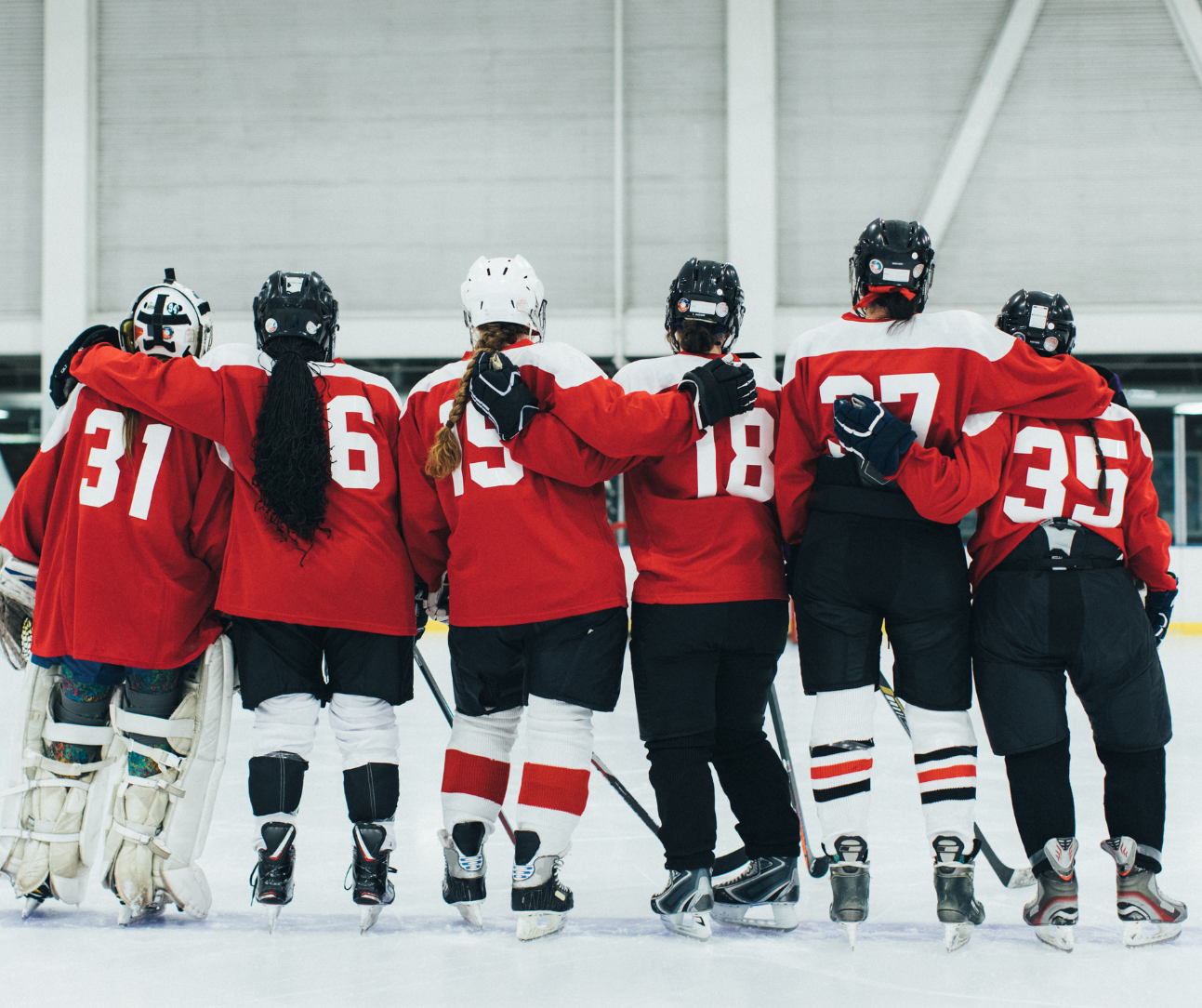
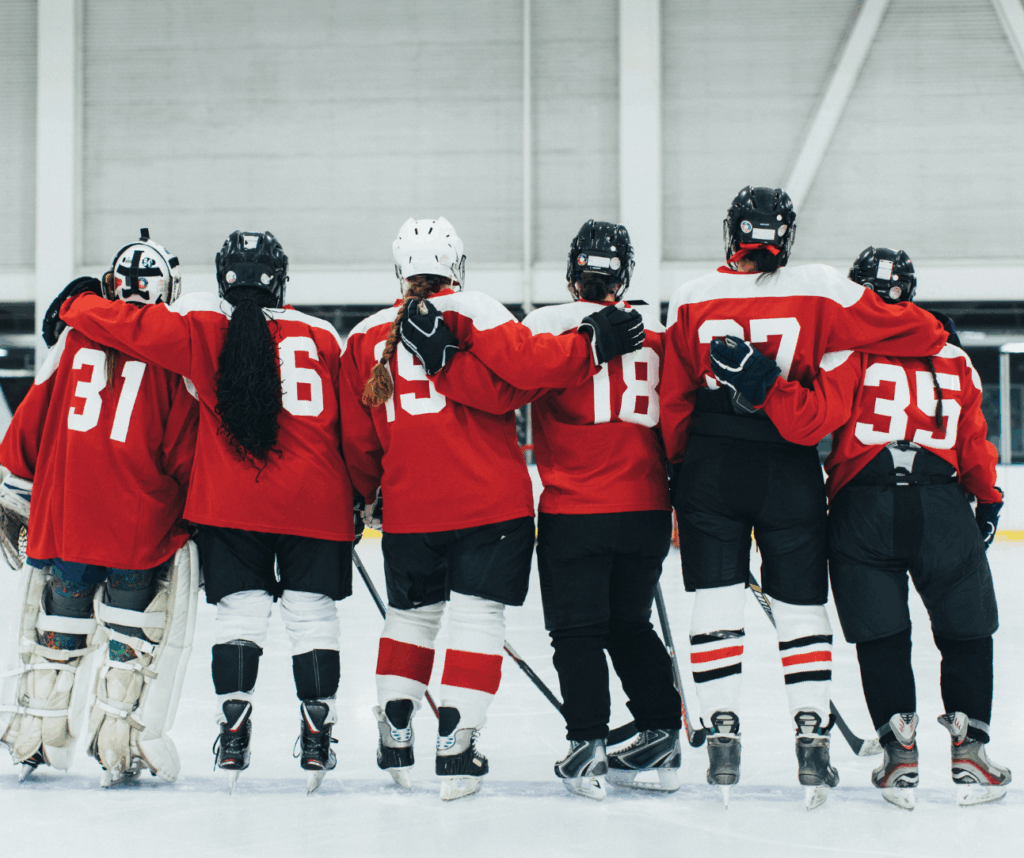
    Through the Canada Games Apprenticeship Program, doors are opening for the next generation of women coaches

    That’s why the Women in Coaching Canada Games Apprenticeship Program is changing the game — one coach at a time.

    This national initiative, a partnership between the Provincial/Territorial Coaching Representatives (PTCRs), the Canada Games Council (CGC), and the Coaching Association of Canada (CAC), gives women coaches from every province and territory the chance to step onto the Canada Games stage in apprenticeship roles. Two women coaches from each region are selected to join their teams, gaining hands-on experience, mentorship, and exposure at one of Canada’s premier multi-sport events.

    It’s more than an opportunity. It’s a movement toward equity, representation, and lasting change in Canadian sport.

    Creating Pathways for Women in Coaching

    The Canada Games environment is unlike any other — fast-paced, demanding, and deeply inspiring. For an apprentice coach, being immersed in that atmosphere provides lessons that no classroom or online course can replicate.

    Through the apprenticeship program, women coaches gain the practical experience and mentorship that often mark the difference between potential and opportunity. Working directly with athletes and teams, each coach is supported by an experienced mentor coach, ensuring that learning happens not only on the field of play but also through reflection, collaboration, and shared experience.

    For many participants, this hands-on environment becomes the launching pad for long-term coaching success from community sport to national-level competition.

    The Power of Experience and Mentorship

    Apprentice coaches are fully involved in the preparation and competition process. They contribute to game planning, athlete development, and the overall team dynamic, all while learning to navigate the realities of high-performance sport. Alongside their mentor coach, they explore everything from performance analysis to mental preparation and how to manage the emotional highs and lows of elite competition.

    A Call to Future Leaders

    Applications are now open for women coaches who are eager to take the next step in their journey. Whether they’re working with young athletes at the grassroots level or beginning to move into competitive coaching, the program offers an unparalleled opportunity to grow, learn, and connect.

    Interested coaches can review the program guidelines and access the application form –
    https://www.coach.ca/programs-and-initiatives/mentorship-and-apprenticeships/women-coaching-canada-games-apprenticeship

    By sharing this opportunity within your network — and encouraging emerging women coaches to apply — you help open doors for others and build a stronger, more inclusive sport community across Canada.

    Looking Ahead

    As the next Canada Games draw near, anticipation builds not only for the athletes who will compete, but also for the coaches who will guide them. Programs like the Women in Coaching Canada Games Apprenticeship Program remind us that leadership in sport comes in many forms — and that when women are empowered to lead, everyone benefits.

    Because when a coach rises, so do her athletes. So does her community. And so does the future of sport in Canada.

  • Goal-Setting Strategies for Individual and Team Sports

    Goal-Setting Strategies for Individual and Team Sports

    In sports, raw talent and relentless effort can take you far, but without a clear focus, even the best athletes can fall short of their potential. That’s where setting goals steps in to make all the difference.

    More than milestones, goals inspire consistency, focus, and the relentless pursuit of improvement.

    When athletes harness the power of goal-setting, they gain a clear sense of direction, a spark of motivation, and a tangible way to track their progress. Whether they’re competing solo or as part of a team, thoughtfully designed goals can turn raw potential into standout performance, guiding athletes to push their limits and achieve what once seemed out of reach. Through setting specificl targets, they create a roadmap that not only sharpens their focus but also fuels their drive to grow and succeed, no matter the sport or skill level.

    The Power of Goal-Setting in Sports

    Goals do more than define what an athlete hopes to achieve. They shape behavior, inspire consistent effort, and offer benchmarks for improvement. A sprinter training for a personal best time, or a soccer team chasing a league title, benefits equally from clarity of purpose. Without goals, training can lack intensity, and athletes risk stagnation.

    Today, technology is making goal-setting and tracking more efficient than ever. Custom sports coaching apps such as Ascend, deliver training content instantly, simplify communication between coaches and athletes, and open new opportunities for athletic performance worldwide. The act of centralizing goals, creating feedback, and progress tracking, these tools make goal-setting more dynamic and accessible.

    Personalizing the Path to Excellence in Individual Sports

    In individual sports, athletes carry the full weight of their performance. Here, goal-setting must be precise and personalized.

    1. Set SMART Goals
      Specific, Measurable, Achievable, Relevant, and Time-bound goals help athletes focus on realistic targets. This framework was first introduced in the 1980s by management consultant George T. Doran which has been widely adopted in the fields of athletic performance and motivation. For example, a swimmer might aim to shave 0.5 seconds off their 100-meter freestyle within eight weeks. Similarly, a basketball player could set a SMART goal of improving their free-throw shooting percentage from 70% to 80% over the course of the next three months by practicing a set number of shots daily and tracking results after each training session.
    2. Balance Process and Outcome
      While outcome goals (winning a medal) are motivating, process goals (perfecting stroke technique) build the foundation for success.
    3. Short-Term Wins for Long-Term Gains
      Breaking larger ambitions into smaller milestones maintains motivation. A marathon runner may set incremental distance or pace goals leading up to race day.
    4. Mental Preparation Goals
      Beyond physical training, athletes benefit from goals like practicing visualization or mindfulness before competitions to enhance focus.

    With sports coaching tools, individual athletes can track these goals in real-time, receive tailored feedback from coaches, and adjust their strategies instantly all from one platform.

    Aligning Collective Ambition in Team Sports

    Team sports add layers of complexity. Here, goal-setting must unify diverse individuals around a shared vision while also acknowledging personal development.

    1. Create Shared Team Goals
      Establishing a collective objective such as reaching the playoffs or improving defensive statistics builds unity and accountability.
    2. Integrate Individual Roles
      Every player should have role-specific goals that connect back to the team’s overall mission. A point guard’s goal of reducing turnovers directly supports a basketball team’s aim of improving offensive efficiency.
    3. Encourage Collaborative Input
      Involving athletes in the goal-setting process increases buy-in and motivation. A team meeting where players contribute to setting season objectives fosters ownership.
    4. Monitor and Celebrate Progress
      Regular check-ins and celebrations of milestones like improving team passing accuracy or achieving a winning streak. This keeps morale high and reinforces commitment.


    Overcoming Common Pitfalls

    While goal-setting is powerful, it must be approached thoughtfully. Overly ambitious goals can demoralize athletes if progress stalls. Conversely, goals that are too easy may stifle growth.

    Coaches should adapt goals based on performance feedback, ensuring they remain challenging yet attainable. Here, digital platforms can provide real-time performance analytics, allowing for smarter adjustments on the go.

    The Coach’s Role in Goal-Setting

    Coaches are crucial facilitators of effective goal-setting. They provide perspective, help athletes differentiate between short- and long-term priorities, and hold individuals and teams accountable. Most importantly, coaches ensure that goals stay flexible, adapting to changing circumstances such as injuries, competition schedules, or evolving skill levels.
    In both individual and team sports, goal-setting acts as a compass, guiding athletes toward their best selves and uniting teams under shared ambition. When athletes understand not only what they are working toward but also why and how. They are empowered to push limits and achieve remarkable outcomes.

    With custom sports coaching apps like Ascend, this process becomes even more powerful, making goal-setting smarter, communication simpler, and performance opportunities accessible worldwide. Effective goal-setting transforms raw effort into strategic performance and that is the essence of athletic excellence.

  • How Hockey Canada’s Coaching Playbook Went Digital — and Why It’s Changing the Game

    How Hockey Canada’s Coaching Playbook Went Digital — and Why It’s Changing the Game

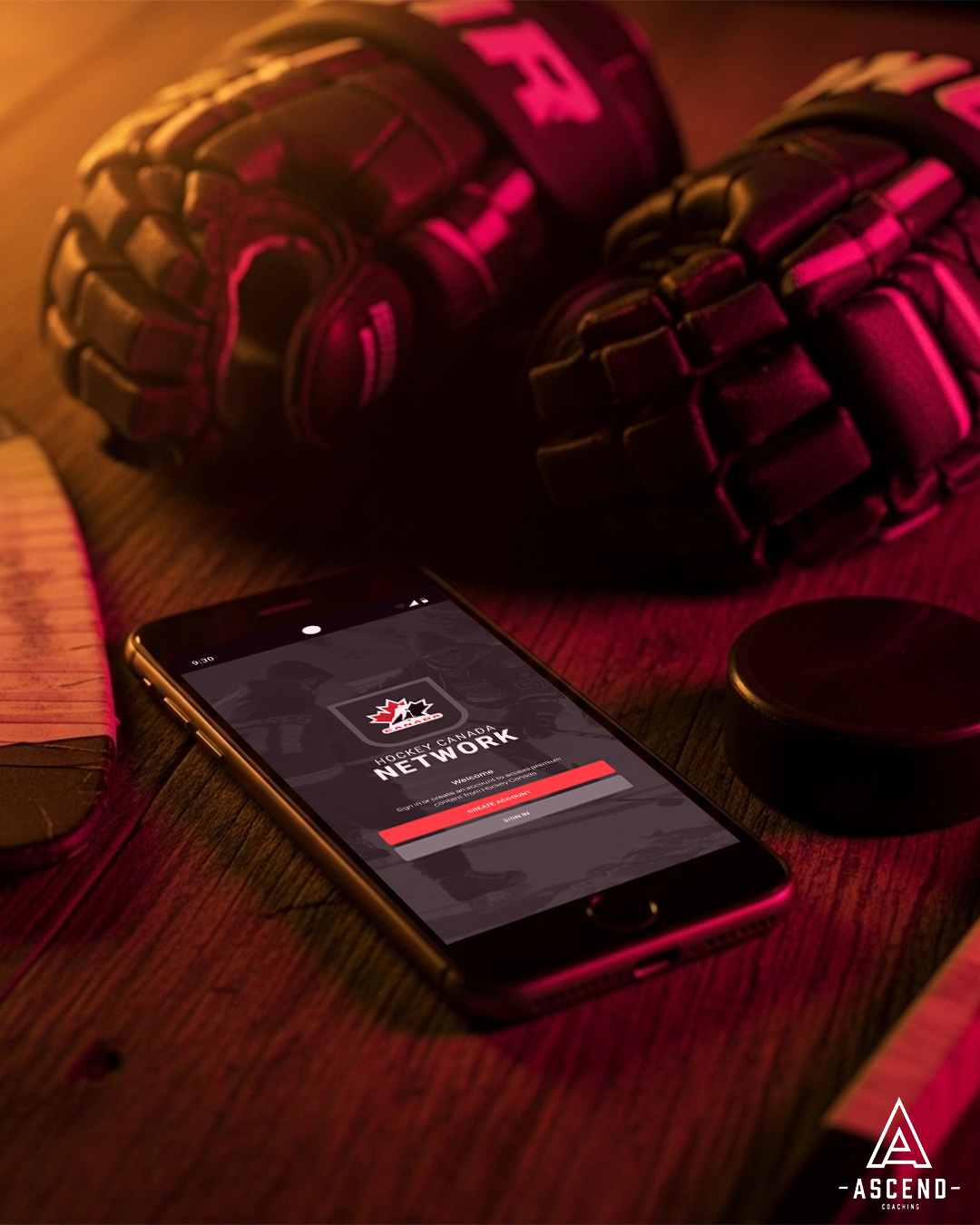
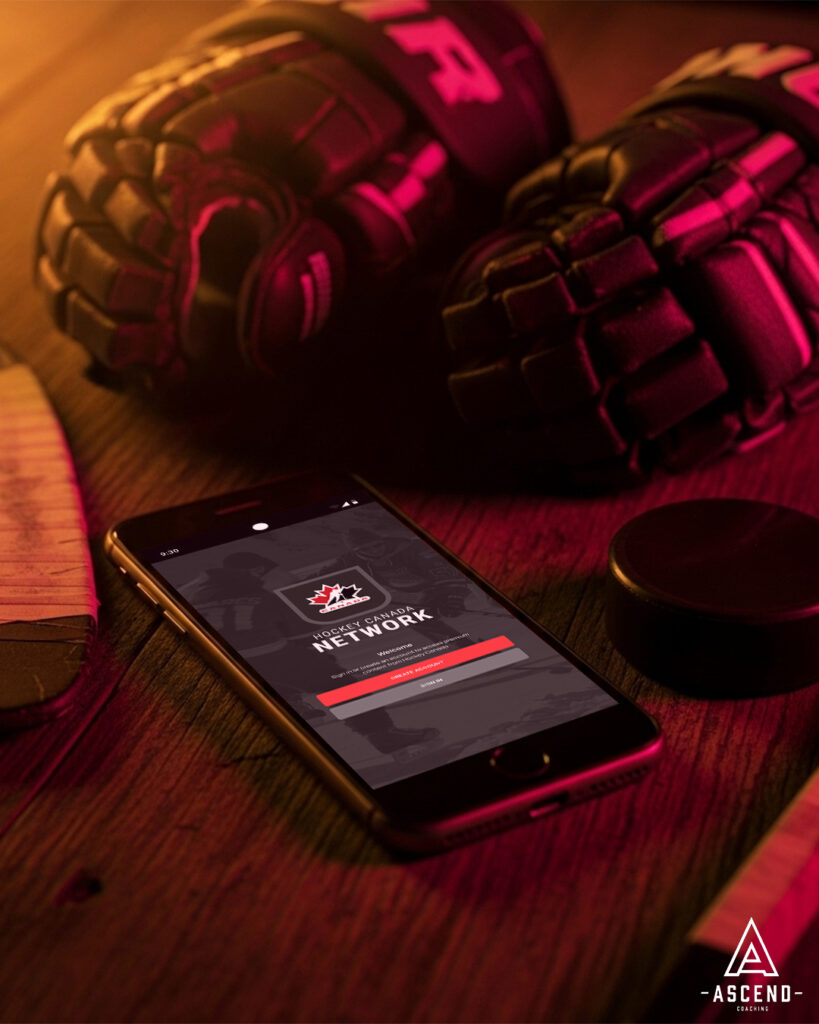
    For decades, Canada’s coaches relied on sports binders, DVDs, and stacks of printed manuals to train the next generation of hockey players. Today, all of that fits in the palm of a hand. With the launch of the Hockey Canada Network app — powered by Ascend — coaching content has gone fully digital, transforming how knowledge is shared with athletes, parents, and coaches nationwide.

    The Shift to Digital Coaching

    Since partnering with Ascend, Hockey Canada has moved its entire minor hockey coaching program online, a shift that has eliminated the expense and inefficiencies of producing and distributing physical manuals. The app now serves as the official platform for all NCCP coaching resources approved by Sport Canada, delivering drills, videos, practice plans, and development information directly to coaches.

    Coaches have responded enthusiastically. They highlight the ease of use, age-specific content, and the ability to create and share custom practice plans. Weekly and monthly updates tailored to specific levels have become a favorite feature, streamlining preparation and communication across Canada’s hockey community.

    Corey McNabb, Director of NextGen Development at Hockey Canada, has worked with players and teams across all ages and levels. Through his experience, he’s learned that athletes express their skills in ways unique to them.

    How Coaches Really Use the App

    “The Hockey Canada Network App is a one-stop shop for everything a coach needs throughout the season,” says Corey McNabb, Director for NextGen Development, Hockey Canada. “Before this platform, we faced major challenges with outdated delivery methods from printing manuals, burning DVDs, and shipping hard copies. With Ascend, we now have a tool that’s modern, adaptable, and built for how coaches actually work today.”

    McNabb also sees the app as a bridge to the future, “I see the HC Network evolving into a desktop version that mirrors the app, giving coaches more flexibility. The goal is to let them create and share content seamlessly across devices whether at home or on the rink.”

    Innovation at the Intersection of Sport and Technology
    Founded by entrepreneur Ted Hellard and technology leader Aaron Glenn, Ascend was born out of a belief that coaching deserves more than outdated tools. Their platform empowers teams and organizations to deliver personalized training, advanced drill libraries, and instant updates all while creating lasting connections between athletes and coaches.

    At its core, Ascend is guided by a simple principle: don’t just embrace change, pioneer it. Every solution is designed to unlock potential, create smarter pathways forward, and ensure that the communities they serve are always one step ahead.

    For Ascend’s co-founder and CEO, Aaron Glenn, the company’s culture reflects his own approach: fast-paced, practical, and fueled by a love of the game. That passion comes through in his vision: “We focus on giving coaches the resources they need to make a real difference in athletes’ performance and confidence.”


    A Partnership Powering the Future of Coaching

    The collaboration between Ascend and Hockey Canada is more than a technology upgrade, it’s a reimagining of how knowledge, mentorship, and training reach every corner of the sport. By bringing Hockey Canada’s trusted development resources into the Hockey Canada Network app, and combining it with Ascend’s expertise in mobile coaching platforms, the partnership has created a digital hub that equips coaches with the right tools at the right time.

    As Head of Product and Operations, Joy Domingo, puts it, Ascend’s strength lies in the details — from refining drill libraries to ensuring updates roll out instantly — so coaches get a tool that feels natural to use. “When we hear that a coach used the app to save time planning practice or found a drill that clicked with their players, that’s when we know we’re doing our job right. For us at Ascend, success is measured in the everyday moments during training, where better tools lead to better experiences for coaches and athletes.”

    Together, Ascend and Hockey Canada are setting a new benchmark for how sports organizations can evolve in the digital age: shifting from outdated distribution means to now agile, on-demand mobile solutions. The result is a platform that empowers coaches, inspires players, and strengthens the connection between communities and the game they love.

  • Lead with Clarity: Why Modern Coaches Need More Than Just Binders

    Lead with Clarity: Why Modern Coaches Need More Than Just Binders

    Gone are the days when a hefty binder filled with drills, strategies, and meeting notes symbolized a coach’s preparedness. Today, success depends not on the volume of materials a coach carries, but on the clarity of their leadership and the strength of their connection with others.

    The Binder Era Is Over

    For decades, binders represented the pinnacle of coaching organization. Inside were printed game plans, player evaluations, motivational quotes, team rules, and more. These binders were physical testaments to a coach’s hard work and foresight. However, in practice, they often functioned more as archives than actionable tools. Information was difficult to access quickly, hard to update, and rarely shared in real time with athletes or staff.

    The shift to digital tools has revolutionized how coaches operate. Mobile platforms now exist that consolidate communication, performance tracking, and development planning — all accessible via smartphone. But while technology has made it easier to manage logistics, the real differentiator for modern coaches isn’t the tool itself. It’s the mindset: leading with clarity.

    The Game Changer Teams Need

    Athletes and team members perform better when they understand what’s expected, why it matters, and how success is measured. Yet many coaches still struggle to clearly communicate roles, goals, and progress. This confusion can result in underperformance, disengagement, and even conflict.

    Modern coaching requires more than just giving instructions. It demands that leaders articulate a vision, align individual goals with team outcomes, and provide timely, constructive feedback. This clarity fosters trust and empowerment—two cornerstones of any high-performing team.

    A study by Gallup found that employees (and athletes are no different) are 3.6 times more likely to be engaged when they know what’s expected of them. The same principle applies to coaching: Clarity breeds confidence. Confidence drives results.


    From Command to Collaboration

    Traditionally, coaching was rooted in authority: “Do what I say.” But today’s athletes and professionals seek meaning, autonomy, and collaboration. They want to feel heard, valued, and developed—not just managed.

    Leading with clarity means moving from command to collaboration. It’s about having open conversations, co-creating development plans, and giving individuals the tools to take ownership of their growth. Coaches must be able to answer questions like:

    • What does success look like for each person on this team?
    • How am I helping them get there?
    • How often am I checking in on progress — beyond just performance metrics?

    Clarity doesn’t mean rigidity. It means consistent communication, transparent expectations, and personalized support. It turns one-way directives into two-way development.


    Technology Scales Clarity — When It’s Yours

    It’s no longer enough to rely on off-the-shelf platforms that weren’t built with your team’s DNA in mind. Sports organizations today have a powerful opportunity: develop your own custom-branded app that reflects your philosophy, communicates your standards, and centralizes your culture.

    This isn’t about replacing the coach, it’s about amplifying them.

    With a tailored app such as Ascend, your team doesn’t just receive schedules or updates. They engage with a system designed specifically around how you develop people. You control the language, the learning pathways, the feedback structures. Clear goals become embedded—not just in the conversations you have, but in the technology your athletes interact with daily.

    With your own mobile app platform, coaches can:

    • Deliver real-time, consistent feedback aligned to team values
    • House individual development plans in one shared, accessible place
    • Automate check-ins, goals, and growth tracking with visibility for all stakeholders
    • Reinforce culture through personalized content and messaging

    When technology is branded and built for your system, it doesn’t dilute your message — it reinforces it. It becomes an extension of your leadership, available in everyone’s pocket, 24/7.

    And that’s the real shift: Great coaching doesn’t live in old coaching binders, scattered apps, or post-practice huddles anymore. It lives in experiences designed for your people, by your organization.

    The modern coach still leads the relationship. But the sports organization can now lead the ecosystem — with modern tools that reflect who they are, where they’re going, and how they bring everyone along with them.

    When goals are woven into every interaction, every plan, and every player experience, teams don’t just stay aligned, they accelerate. To make that possible, you need a mobile platform built for your people, your process, and your purpose.

    That’s exactly what Ascend by Beautiful Code delivers.

    Ascend can empower your club or sports organization with a custom-branded coaching app, designed to scale development, streamline team communication, and reinforce your athletic culture from the ground up. Yes, you can have own your platform to elevate your coaching style and goals further. Let’s help you build that edge.